Summary

We stabilized and modernized an enterprise HR platform by redesigning AWS infrastructure, implementing CI/CD, enforcing code quality, and optimizing performance from 30–180s to <2s response times.

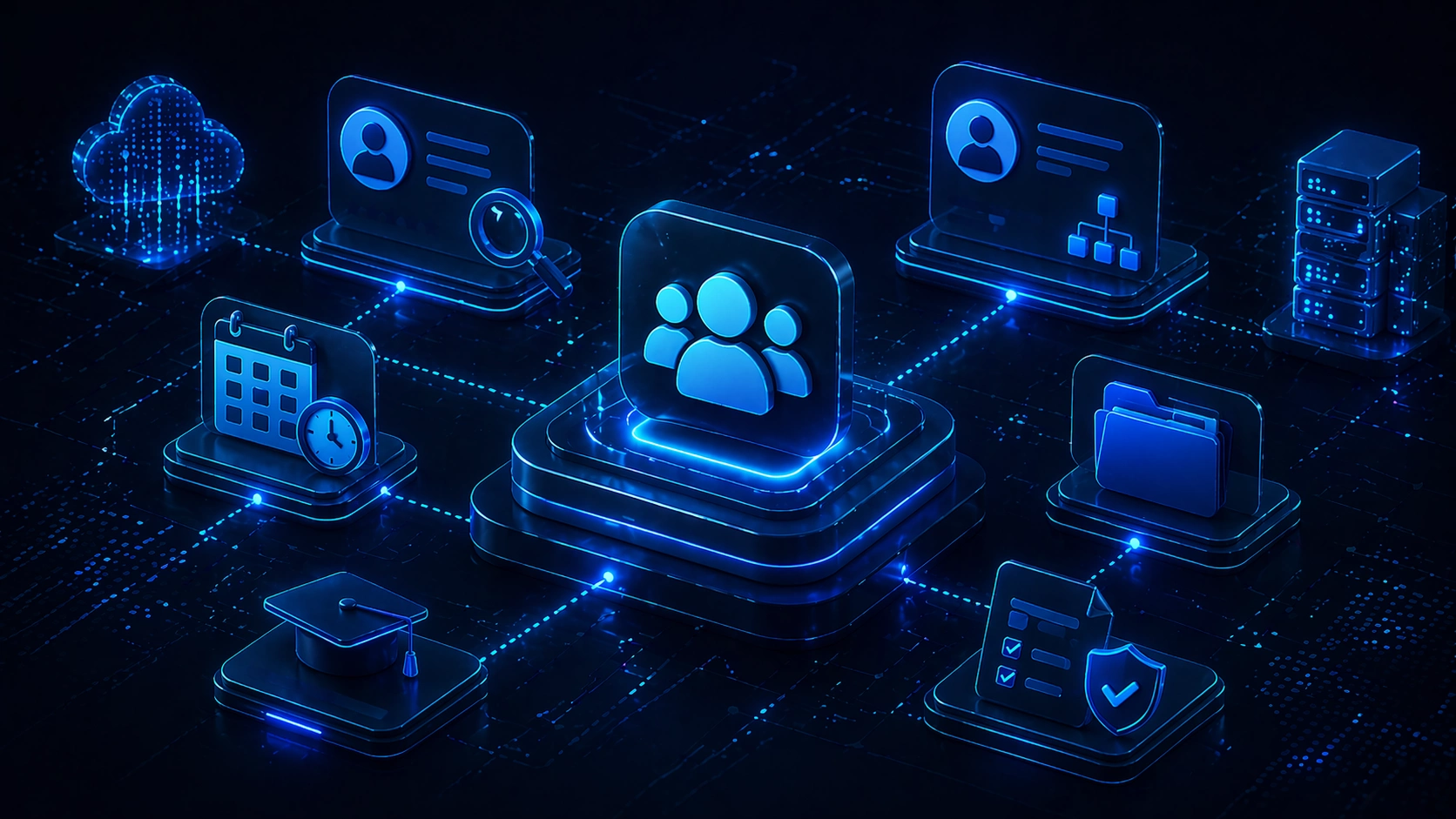
HilDes enterprise HR platform illustration featuring scalable people management system, ATS recruitment tools, attendance tracking, LMS modules, employee records, and secure digital HR infrastructure.

🏒 Project Overview

We partnered with a growing organization operating a comprehensive People Management Platform that included:

  • Applicant Tracking System (ATS)
  • Time-off and Attendance Management
  • Learning Management System (LMS)
  • Employee Lifecycle Management (Onboarding/Offboarding)
  • Document Management System

Despite having strong business potential, the platform was facing critical system failures, performance issues, and infrastructure instability, making it unreliable for daily operations.
🚨 The Challenge

The system had reached a point where it was no longer sustainable or scalable.

Key issues identified:

  • Frequent application crashes and unexpected downtime
  • Extremely slow performance (30–180 seconds response time under load)
  • Poorly structured and unmaintainable codebase
  • No version control (no Git usage)
  • Manual deployments with high failure risk
  • No staging environment
  • AWS infrastructure misconfigured
  • Database, backups, and server hosted on a single EC2 instance
  • Backup failures with no validation strategy
  • No monitoring or alerting systems
  • Vulnerability to DDoS attacks
  • No defined SDLC or development workflow

This resulted in:

  • Operational disruptions
  • Loss of user trust
  • Increased technical debt
  • High risk of data loss

🧠 Our Approach

We approached this as a full system recovery and modernization project, focusing on:

  • Infrastructure redesign
  • Codebase stabilization
  • DevOps implementation
  • Performance optimization
  • Security hardening
  • Scalable architecture planning

βš™οΈ Infrastructure Transformation

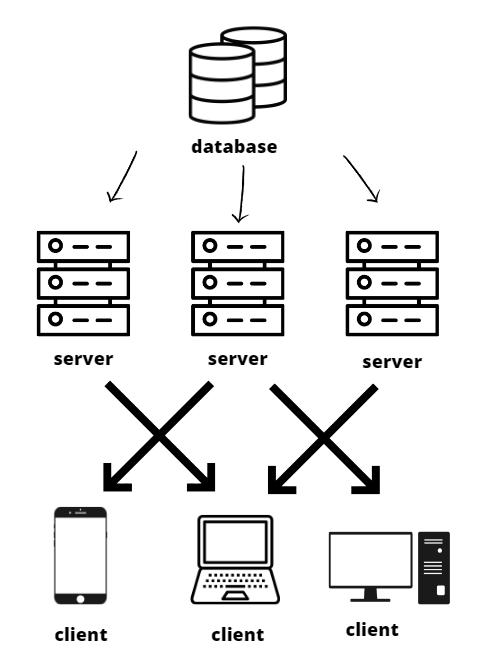
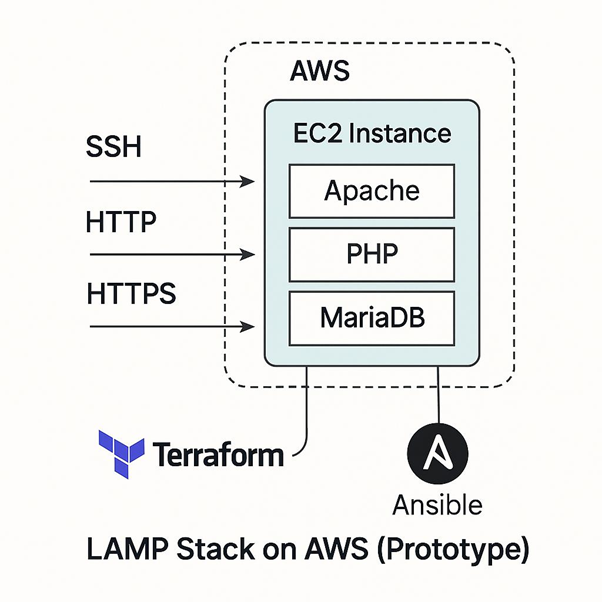
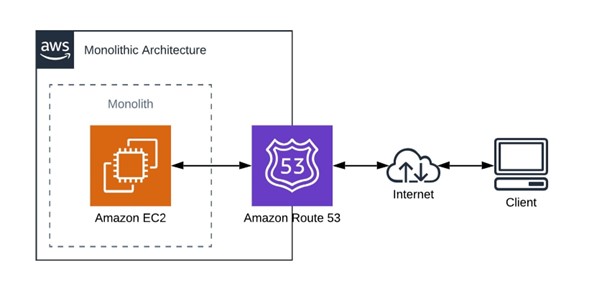
Old architecture (single point of failure):


Single EC2 instance handling application, database, backups, and background jobs.

Problems:

  • No scalability
  • High downtime risk
  • Resource contention
  • Backup failures
  • No fault tolerance

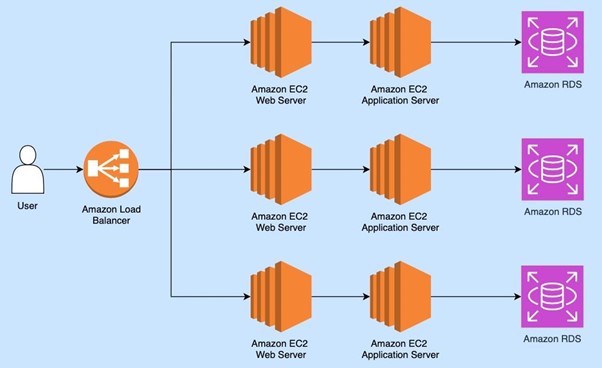
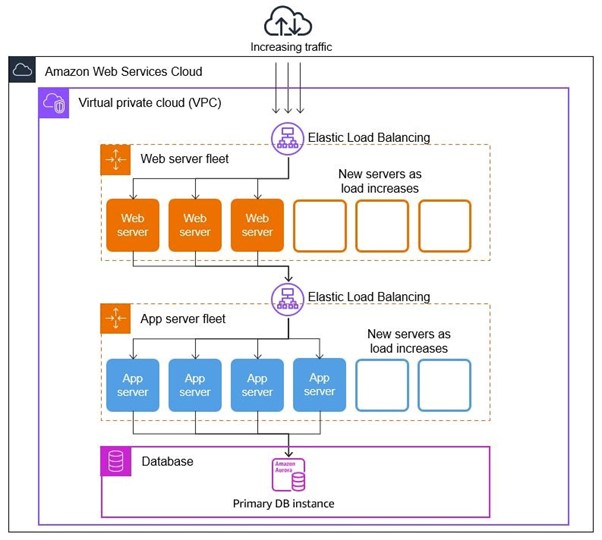
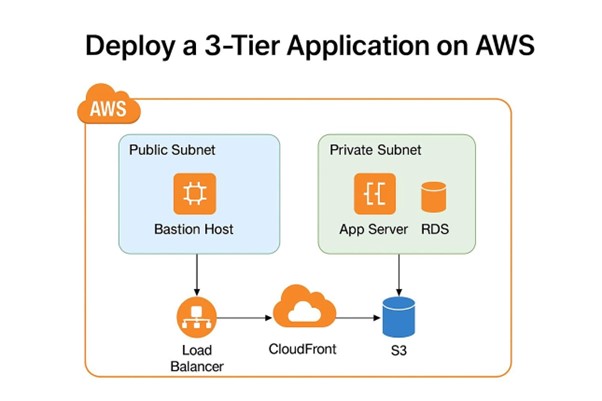
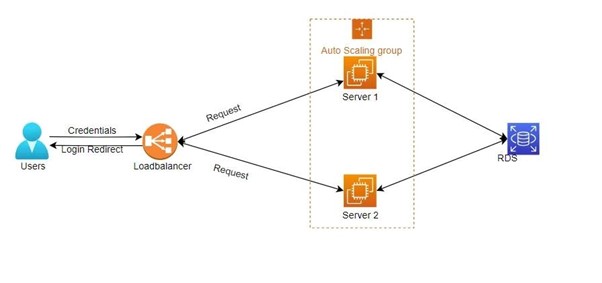
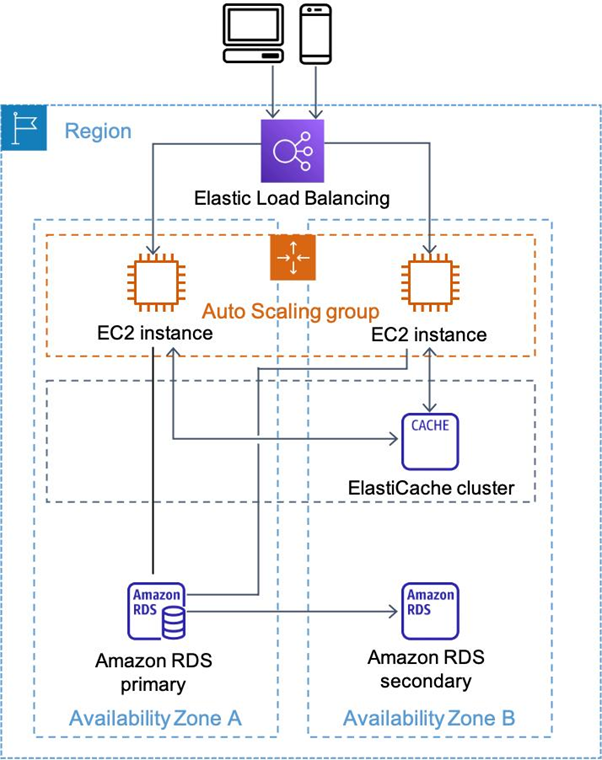
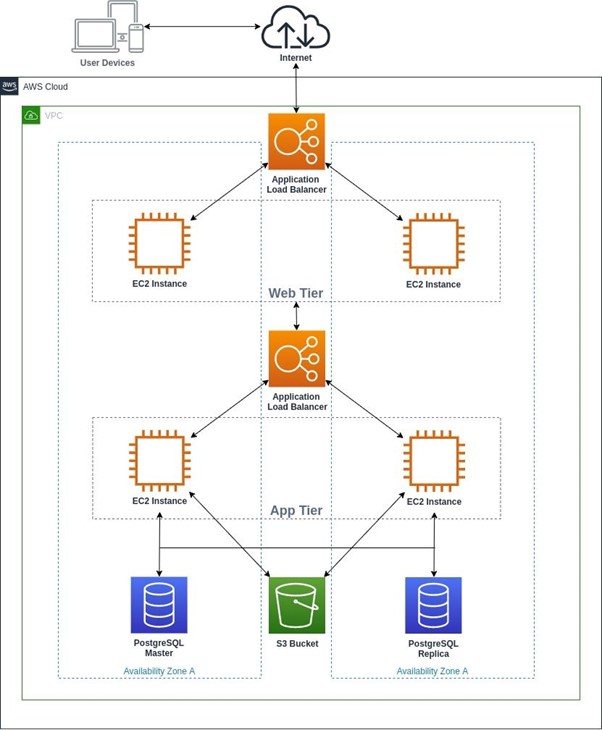
New scalable AWS architecture:


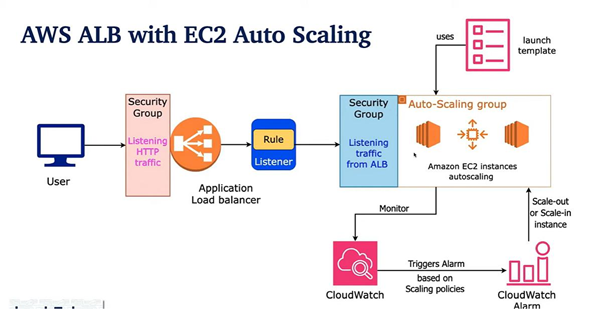
  • Application Load Balancer (ALB)
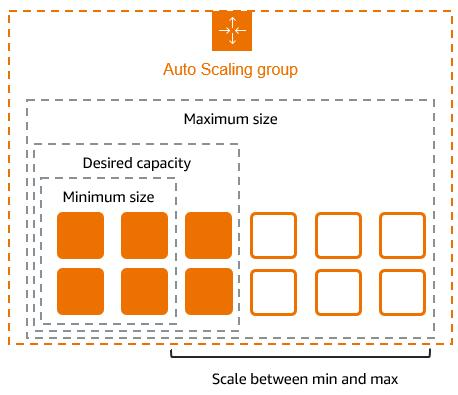
  • Multiple EC2 instances (Auto Scaling ready)
  • Amazon RDS (managed database)
  • Separate backup systems
  • Secure networking and IAM roles

Results:

  • Eliminated single point of failure
  • Improved uptime and reliability
  • Horizontal scalability enabled
  • Database performance significantly improved

πŸ’» Development & Codebase Stabilization

Problems:

  • Messy, unstructured code
  • No environment consistency
  • Difficult debugging

Fixes:

  • Containerized application using Docker
  • Standardized local development environments
  • Refactored critical modules for stability
  • Introduced modular architecture

Impact:

  • Faster onboarding for developers
  • Reduced bugs caused by environment mismatch
  • Improved maintainability

πŸ” DevOps & CI/CD Implementation

Problems:

  • No Git
  • Manual deployments
  • No rollback mechanism

Fixes:

  • Migrated codebase to Git (version control)
  • Introduced branching strategy (dev / staging / production)
  • Implemented CI/CD pipelines using Jenkins
  • Added staging environment before production

Impact:

  • Safe and repeatable deployments
  • Faster release cycles
  • Reduced human error

πŸ§ͺ Code Quality & Testing

Problems:

  • No code quality checks
  • High technical debt

Fixes:

  • Integrated SonarQube and SonarLint
  • Enforced code quality rules
  • Added static code analysis

Impact:

  • Improved code reliability
  • Reduced production bugs
  • Better long-term scalability

πŸ“Š Process & SDLC Implementation

Problems:

  • No structured development workflow
  • Poor task tracking

Fixes:

  • Introduced Agile methodology
  • Sprint-based development cycles
  • Implemented project management tools (Jira/ClickUp)
  • Defined SDLC lifecycle

Impact:

  • Clear development roadmap
  • Improved team productivity
  • Better delivery timelines

πŸ” Security & Reliability Enhancements

Problems:

  • DDoS vulnerability
  • No monitoring
  • Backup failures

Fixes:

  • Implemented AWS security best practices
  • Configured firewalls and rate limiting
  • Set up monitoring and alerting systems
  • Introduced backup validation strategy (bi-monthly testing)
  • Added local backup redundancy

Impact:

  • Improved system security
  • Early issue detection
  • Reliable disaster recovery

⚑ Performance Optimization

Problems:

  • 30s–180s response time
  • Poor performance under load

Fixes:

  • Optimized database queries
  • Moved DB to Amazon RDS
  • Implemented caching strategies
  • Optimized backend processing
  • Load-balanced traffic

Results:

  • Response time reduced from 30–180s to less than 2s
  • Significant improvement in user experience
  • Stable performance under peak load

🧱 Modernization & Future Scalability

Improvements:

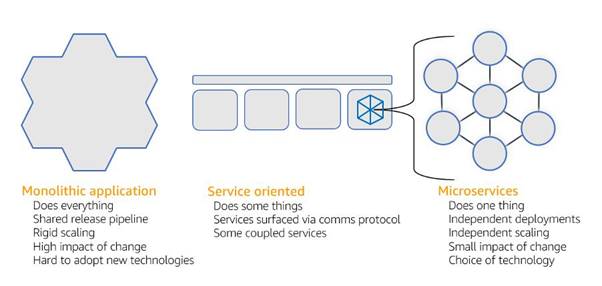
  • Introduced modern tech stack for new modules
  • Built system for incremental upgrades
  • Decoupled legacy dependencies

Impact:

  • Future-ready architecture
  • Easier feature expansion
  • Reduced technical debt

πŸ“ˆ Final Results

  • 99.9% uptime achieved
  • Response time improved by over 90%
  • Secure and stable infrastructure
  • Scalable cloud architecture
  • Automated deployment pipeline
  • Structured development workflow
  • Reliable backup and recovery system

πŸ’¬ Client Outcome

The platform evolved from an unstable system into a mission-critical, enterprise-grade HR solution capable of supporting real-time operations and scaling with business growth.

Discuss Your Project

Share your requirements and our team will get back to you.